
fMRI Neurofeedback With Matter Neuroscience App
Would you like to take part in a clinical trial investigating the efficacy of functional-MRI neurofeedback techniques for individuals with Major Depressive Disorder (MDD)?
MDD is one of the most common mental health conditions, affecting more than 8% of American adults each year.
Individuals with MDD experience ongoing feelings of sadness, guilt, or worthlessness, along with changes in sleep, appetite, energy, and concentration. These symptoms disrupt daily functioning, and often quality of life.
Medications (SSRIs, SNRIs, etc.) and psychotherapy remain the leading treatment approaches; however, many patients experience only partial relief, and up to 40% of individuals with MDD show no improvement with these treatments.
We are trialing real-time 7T functional-MRI (fMRI) neurofeedback techniques, where participants will come in for up to 5 in-person MRI visits with accompanying neurofeedback sessions, over the course of 5-8 months.
Thank you very much for your interest in our clinical research study on MDD. Our study participants are essential in the research for new and effective MDD treatments.
What is Neurofeedback?
New and non-invasive interventions are urgently needed to treat Major Depressive Disorder (MDD).
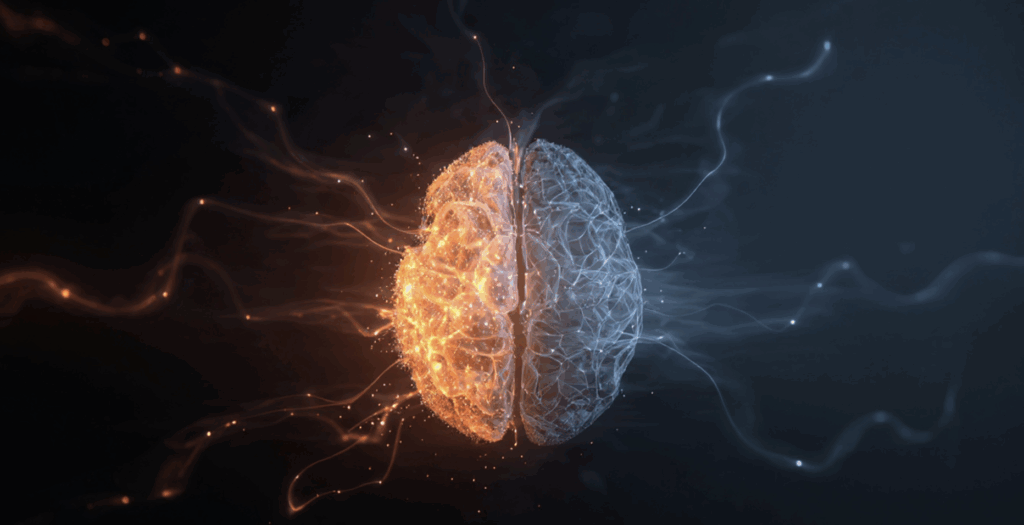
Real-time fMRI neurofeedback is a non-invasive brain modulation method that gives participants feedback about their own brain activity, and lets them gradually learn to self-regulate those signals.
In our study for example, while the participant lies in the MRI scanner, the level of activity in a predefined “region of interest” will be processed in real-time and displayed visually. The participant then uses mental strategies (such as viewing positive images/memories) to increase or decrease the level of activity in that region. Over repeated sessions, the hypothesis is that these learned changes will generalize outside the scanner and lead to more adaptive symptom relief and management.
Whereas other treatments for MDD (medication, TMS, etc.) externally modulate brain activity, neurofeedback actively engages the participant in their own regulation, which may enhance the internalization of strategies for symptom reduction.
What to expect?
During the study, participants will be randomized into one of eight study arms and may take part in in-person and/or at-home study activities.
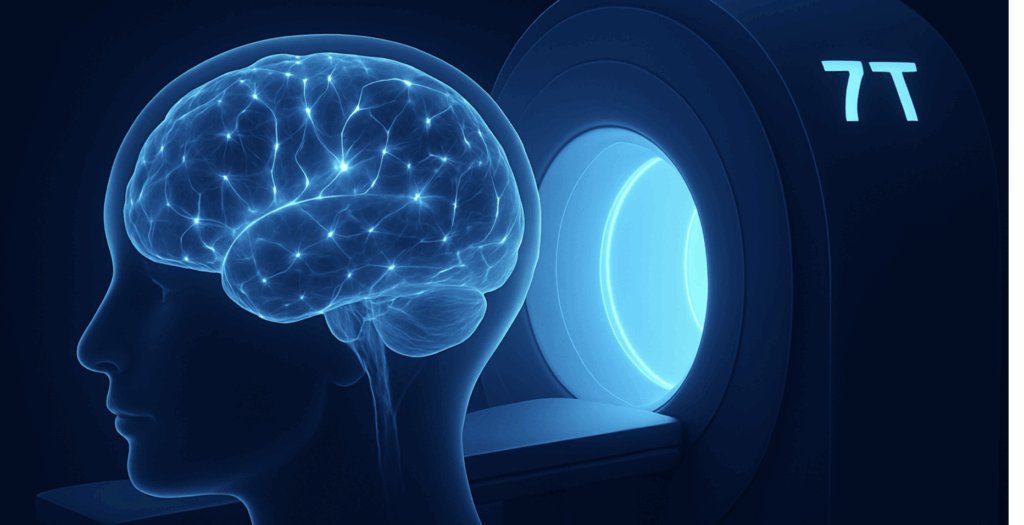
At in-person visits, participants will complete Magnetic Resonance Imaging (MRI) scans using a high-resolution 7T scanner. These scans collect neurofeedback data for the study. Participants will also complete clinical assessments, mood surveys.
Between study visits, participants randomized to certain study arms will use the Matter Neuroscience iOS based phone application to perform varying degrees of home-based training to collect and reflect on personal photos that capture positive memories.
The Matter Neuroscience app can be downloaded using this link (available only on the Apple App Store).
Participant’s rights questions, contact 1-866-680-2906.
Why join us?
- Opportunity to experience advanced brain imaging with a high-resolution 7T MRI scanner
- Opportunity to receive all study related assessments and access to the Matter Neuroscience iOS app at no cost
- Your participation supports future studies that may benefit others living with depression
See if you qualify
- Age 18-80
- Diagnosis of Major Depressive Disorder (MDD) without a history of psychotic features
- In good general health, evidenced by medical history
Contact
If you have additional questions or would like more information, don’t hesitate to email or call us:
- bslneurofeedbackstudy@stanford.edu
- (650) 491-6339