People
Postdocs
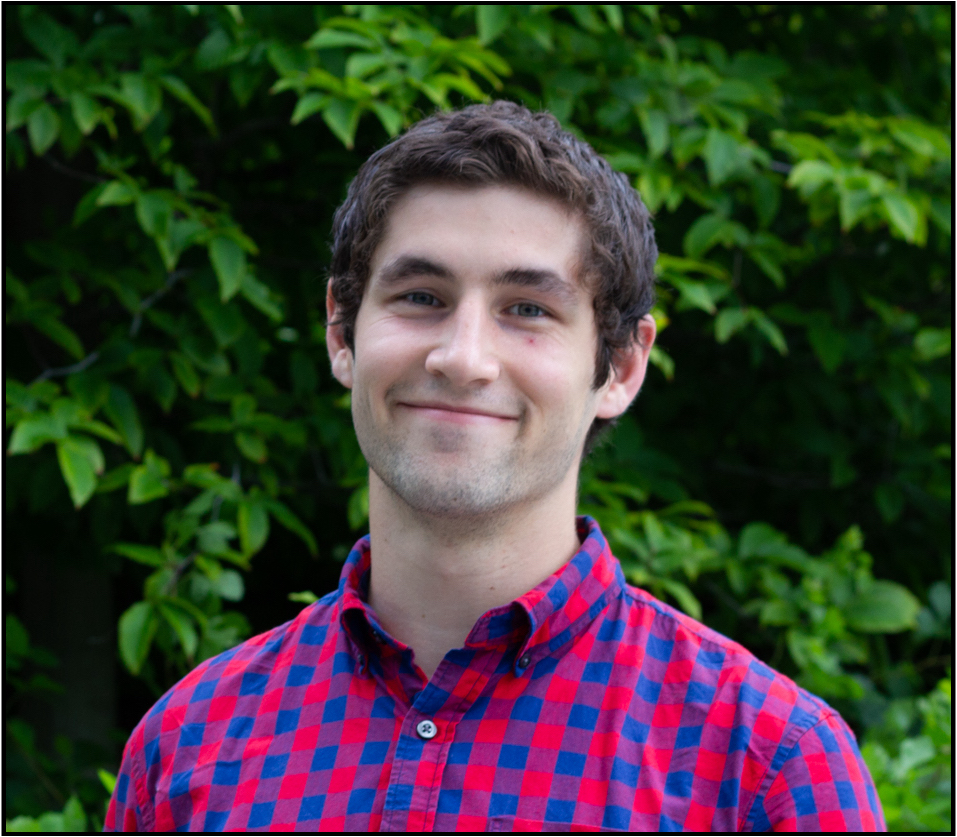
Adam Pines
Postdoctoral Research Fellow
Adam Pines is a postdoctoral scholar investigating how the brain adapts and changes over time. His background is in neurocognitive development, including cognitive function in mood disorders in youth, hierarchical brain development, and hierarchical cortical processing broadly. His degree is in neuroscience.
In the BSL, Adam will be applying his skillsets in functional neuroimaging and data science to evaluate how TMS changes the brain over time alongside individual variability in these sequences. Ultimately his goal is to connect these pathways to remission with trajectories of mood disorder emergence.

Derrick Buchanan
Postdoctoral Research Fellow
Dr. Buchanan is a PhD Clinical Neuroscientist originally from Ottawa, Canada. Dr. Buchanan’s has worked in the field of Neuropsychiatry and Clinical Neuroscience for seven years, with a particular focus on such conditions as attention deficit hyperactivity disorder, major depression disorder, brain injury, and chronic pain.
During his PhD Dr. Buchanan primarily worked in the Neuroscience of Imagination Cognition Emotion Research Lab at Carleton University, and the Neuropsychiatry Lab at the Children’s Hospital of Eastern Ontario. Dr. Buchanan also spent five years in Canada as the Director of Research/Manager of the Brain Clinic at a private medical centre in Ottawa called the Seekers Centre.
In addition to his research background, Dr. Buchanan also has extensive clinical experience working with hundreds of patients using brain stimulation techniques such as transcranial direct current stimulation, and neuroimaging such as electroencephalography and event related potentials. Dr. Buchanan was, and remains, interested in using neuroimaging and machine learning to generate models/phenotypes of neuropsychiatric diseases to derive more efficacious individualized brain stimulation treatment protocols.
Dr. Buchanan has also taught nearly a dozen courses at Carleton University since 2016 including 4th year seminars on Neuropsychiatry / Clinical Neuroscience, and the first year introduction to Neuropsychiatry course.
At Stanford, Dr. Buchanan is primarily focussed on running a large scale multisite clinical trial utilizing functional magnetic resonance imaging, and transcranial magnetic stimulation to individualize treatment protocols for patients with treatment resistant depression. In his own words, it is Dr. Buchanan’s job to “Make people happy”!

Igor Dorea Bandeira
Postdoctoral Research Fellow
Igor D. Bandeira, M.D., is a physician-scientist from Salvador in Brazil working as a Postdoctoral Research Fellow in the Department of Psychiatry and Behavioral Sciences at Stanford University.
He completed his Doctor of Medicine (M.D.) at the Federal University of Bahia (Brazil), where he received the prestigious Professor Alfredo Thomé de Britto Award for outstanding graduate scientific research. Part of his medical training took place at the University of Sydney (Australia) through a Science Without Borders Scholarship.
In parallel with his formal graduate training, he worked as a researcher at the university’s Brain and Mind Centre during this period. Dr. Bandeira acquired further clinical experience at the Brazilian Ministry of Health as an attending physician, where he worked for over three years in primary care and mental health interventions within the framework of the national healthcare strategy for vulnerable populations in areas with a shortage of professionals. Furthermore, during the pandemic, Dr. Bandeira worked on the Brazilian frontline in the fight against Covid-19.
In respect of research, he has several years’ experience applying noninvasive brain stimulation techniques in the fields of neurology and psychiatry, and most notably in the treatment of neurodevelopmental disorders.
Since starting his Ph.D. in Neuroscience at the Federal University of Bahia in 2019, Dr. Bandeira has also acquired expertise in developing clinical trials to test the efficacy of rapid-acting antidepressants. His work involved using Ketamine and its enantiomers (e.g., Esketamine and Arketamine) for treatment-resistant mental disorders.
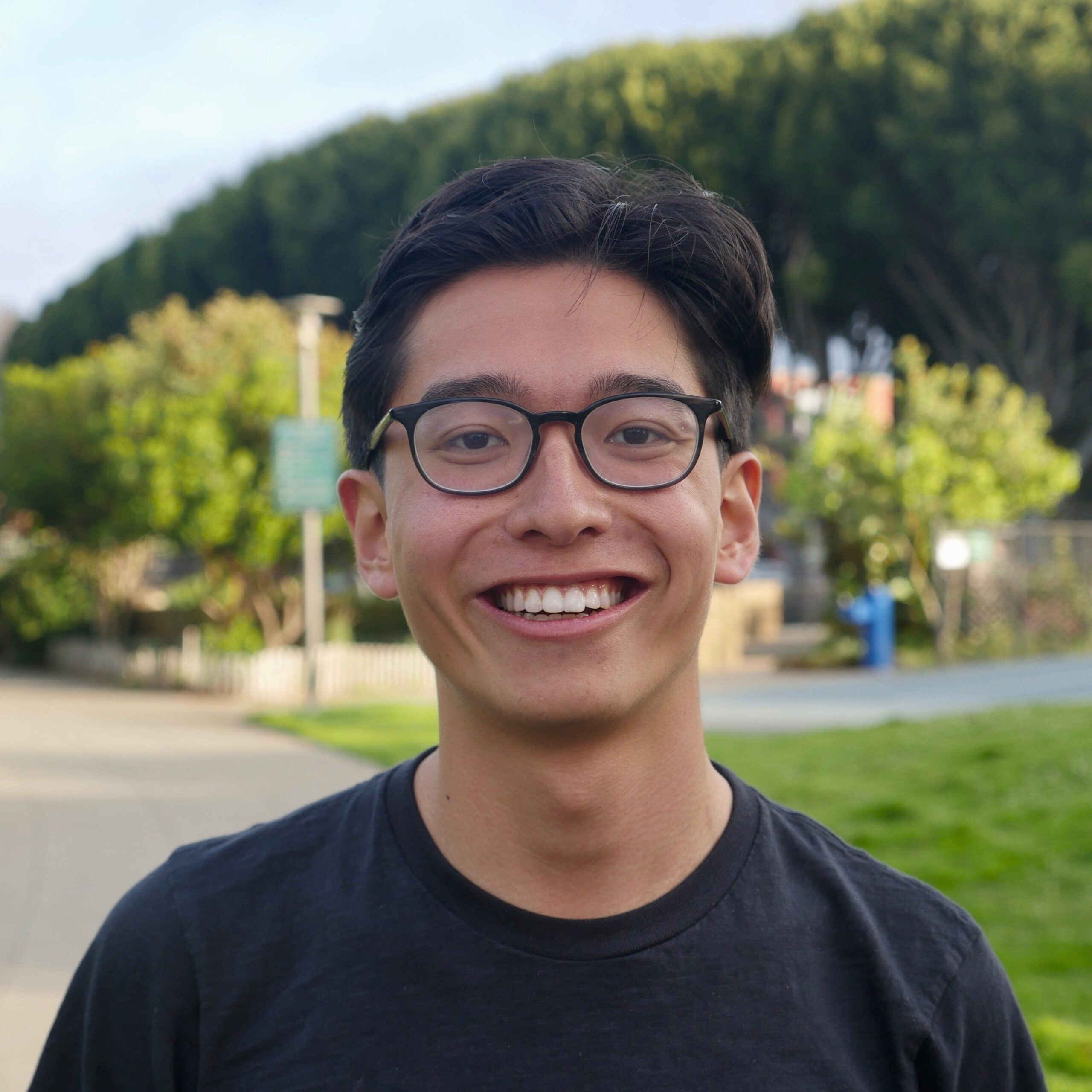
Kenneth Shinozuka
Postdoctoral Research Fellow
Kenneth Shinozuka, PhD, is a postdoctoral fellow conducting research on the neuroscience of psychedelics. He is interested in psychedelics as tools for treating a wide range of psychiatric conditions and for advancing the study of consciousness. At the BSL, Kenneth will be leading a study administering the psychedelic ibogaine to Ukrainians with PTSD, as well as a study using a novel ultrasound technology to target ketamine more locally in the brains of patients with chronic pain. Prior to doing his postdoc, Kenneth received his BA in neuroscience from Harvard University and his PhD in psychiatry from the University of Oxford, where he also specialized in psychedelic research.

Masataka Wada
Postdoctoral Research Fellow
Dr. Wada is a postdoctoral scholar in the Department of Psychiatry & Behavioral Sciences at the Stanford University School of Medicine. He is a board-certified psychiatrist and holds a PhD in neuroscience.
His clinical and research interests center on psychiatric disorders in treatment-resistant conditions. To address these challenges, Dr. Wada is engaged in exploring electrophysiological, neuroimaging, and neuromodulation techniques, including repetitive Transcranial Magnetic Stimulation (rTMS) and Deep Brain Stimulation (DBS). He spearheaded a significant Randomized Controlled Trial (RCT) that involved 180 patients with treatment-resistant depression, aiming to develop an innovative rTMS-based treatment. His efforts have led to him receiving awards at international conferences on three occasions for his significant contributions.
Dr. Wada’s scholarly work includes publications on the electrophysiological characteristics of psychiatric disorders and the effects of neuromodulation on clinical symptoms and neuroimaging features. Additionally, he has been the recipient of two scholarships and three grants, further highlighting his contributions to the field.