People
Alumni
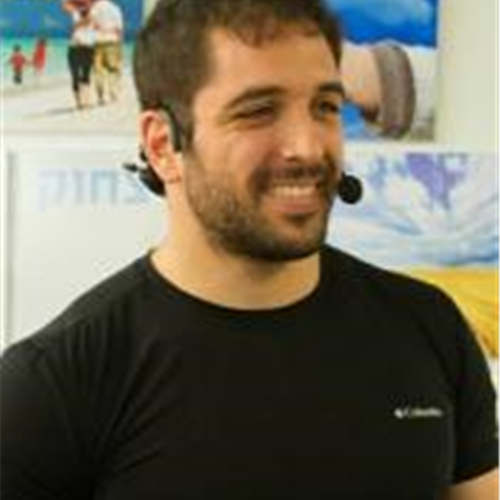
Afik Faerman
Postdoctoral Research Fellow
Afik was a clinical neuropsychology postdoctoral scholar and NIMH T32 fellow. He completed his clinical training at the University of California, San Francisco (UCSF) and Baylor College of Medicine and earned his Ph.D. in clinical psychology with emphasis in neuropsychology from Palo Alto University. His research centers on modulation of consciousness and its clinical utilities. Currently, Afik is studying the mechanisms theough which interventional approaches such as using hypnosis, psychedelics, and brain stimulation lead to alterations in conscious expereinces, and how they can be leveragaed to improve performance and clinical outcomes. His work has been acknowledged and supported by the American Psychological Association (APA), the Sleep Research Society (SRS), the Society for Clinical and Experimental Hypnosis (SCEH), the American Society for Clinical Hypnosis (ASCH), and more. He serves as the current Membership of the American Psychological Association Division 30 (Psychological Hypnosis) and past chair of the Student Committee at the Association for the Scientific Study of Consciousness (ASSC).
Afik now works as a Clinical Neuropsychologist at Boulder Neuropsychological Services in Colorado.

Ahmed Shamma
Clinical Research Coordinator Associate
Ahmed received his B.S. in cognitive neuroscience from The George Washington University. While in DC, Ahmed was involved in neuroscience and metabolic research at Children’s National Medical Center, and later at the National Institute of Health. At the NIH, he was primarily working on examining the role of AgRP neurons as they relate to the underlying neural mechanisms in the hunger response, ultimately as a guide to better understanding anorexia nervosa disorder.
Upon completion of his degree, Ahmed spent a year working as a medical scribe at a high volume, level 1 trauma center in Cleveland, Ohio, where he developed a profound appreciation for medicine, human conflict, mental health, and a pursuit to provide medical care for the underserved and underrepresented. His interests lie in psychiatry, as well as pediatrics, and he is excited to see where his journey will take him.
We are pleased to report that Ahmed was accepted into Medical School at Burrell College of Osteopathic Medicine in New Mexico. Ahmed has since shifted to a part time role in the lab working remotely.
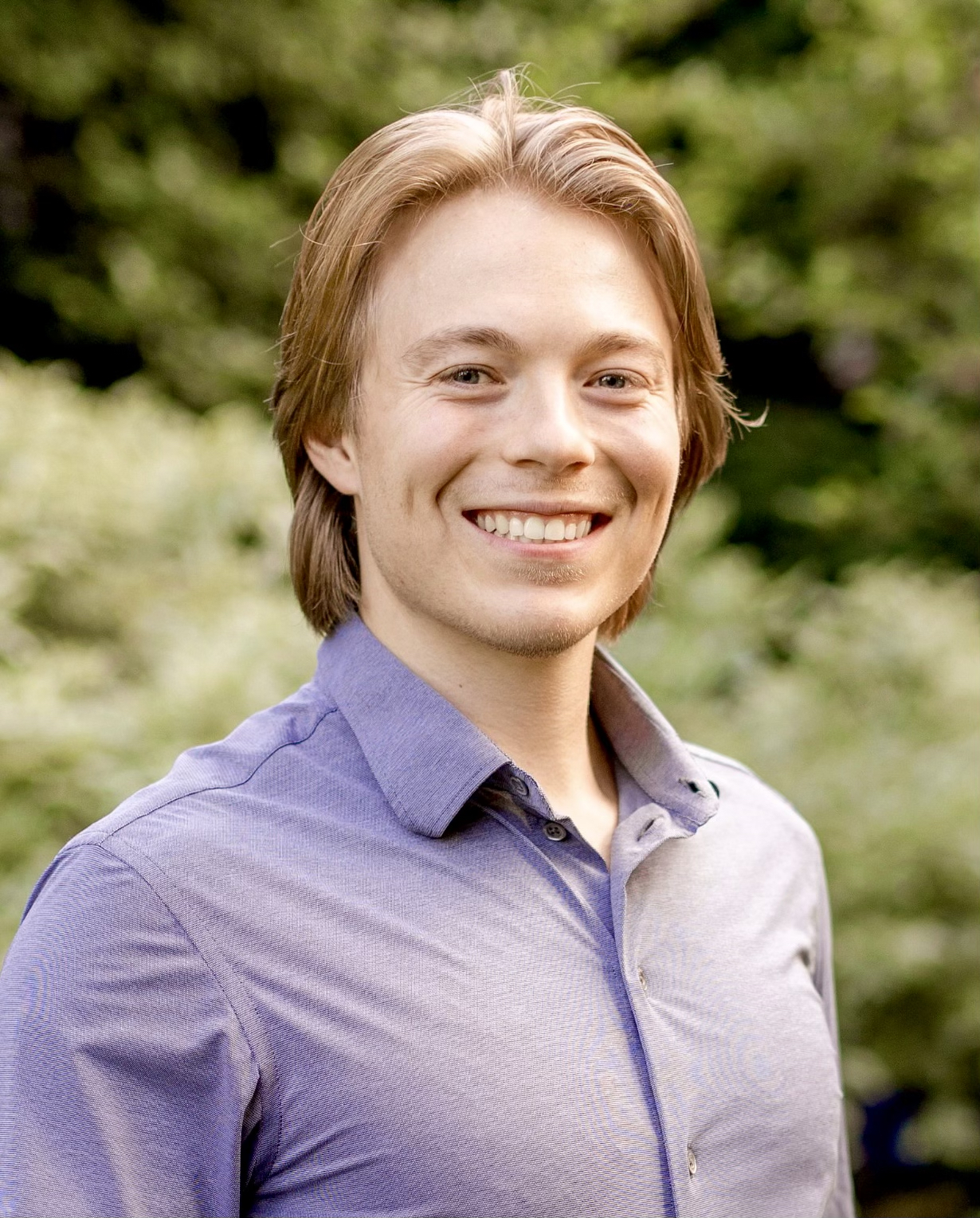
Andrew Geoly
Research Data Analyst
Andrew received his bachelors in neuroscience from The University of Southern California. During his undergraduate education he assisted in research at the Brain Creativity Institute studying the relationship between affective processing and musical training in children. He also worked in a psychophysics lab under Dr. Ernest Greene examining neural persistence and shape encoding interference.
Andrew has since completed an M.S. in Neuroimaging & Informatics at his alma mater and studied structural and micro-structural abnormalities in psychiatric and neurodegenerative disorders. Andrew’s current research interests include identifying biomarkers of neuropsychiatric disorders and validating (invasive and non-invasive) neuromodulation treatment effects with multi-modal imaging.

Angela Phillips
Postdoctoral Research Fellow
After spending two years in the lab as a Post-Doctoral Fellow and helping with the original SAINT study, Angela worked as the Director of Digital Clinical Content at Advanced Recovery Systems LLC, and is now the Neuromodulation Division Director at UCLA.

Azeezat K. Azeez
Postdoctoral Research Fellow
Dr. Azeez received her Bachelor’s Degree in Biomedical Engineering at the City College of New York. The majority of her research is in neural systems and signal processing. Her graduate work at New Jersey Institute of Technology was in the alterations in brain morphology, and functional connectivity in Autism, specifically at the intersection of developmental stage, and biological sex.
Now a Postdoctoral Fellow at Stanford, her work primarily focuses on the resting-state changes that result from Transcranial Magnetic Stimulation (TMS) as a clinical intervention for psychiatric disorders as well as exploring innovative methodological approaches to characterize these resting-state changes.

Brendan Wong
Assistant Clinical Research Coordinator
Brendan is an assistant Clinical Research Coordinator with the Stanford Brain Stimulation Lab. Brendan is a Bay Area native who graduated from the University of Arizona with a BS in Nutritional Sciences and a minor in Biochemistry. For 5 years, heworked in Orthopedics and Sports Medicine as a Physical Therapy Aidehoning his direct patient care skills and is currently interested in pursuing medical school. As an aCRC, he coordinates patient visits and aims to learn more about TMS to better understand its clinical applications andeffects on brain behavior in substance use disorders and mood disorders. Outside of research, Brendan enjoys cooking and sports.

Claudia Tischler
Clinical Research Coordinator
Claudia Kaya Tischler currently is a MSTP student at Baylor College of Medicine. She formerly worked at Stanford Medicine Brain Stimulation Lab with Nolan Williams, MD as a clinical research coordinator. She studied Cognitive Science at the University of California, Berkeley and did her undergraduate thesis in the lab of Richard Ivry, Ph.D.
Claudia is now

Clive Veerapal
Assistant Clinical Research Coordinator
Clive received his B.S. in biology with a concentration in systems physiology and a minor in chemistry from San Jose State University. During his undergraduate years he developed an interest in the relationship between psychology and physiology, and how understanding that relationship can lead to effective medical treatments. His future goal is to pursue a medical degree.
Clive is now working on clinical trials for Magnus Medical.

Eleanor Cole
Postdoctoral Research Fellow
Ellie is was a Post Doc in the Brain Stimulation lab and first author on first SAINT clinical study. Since then Ellie has worked as Director of Research at Acacia Mental Health, Senior Manager of Clinical Research at Magnus Medical and now Director of innovation at Neuronetics, INC.

Ella Sonnelid
Assistant Clinical Research Coordinator
Ella worked as a coordinator for the BSL and is now pursing medical school in her home country of Sweden

Danielle DeSouza
Scientist, Department of Neurology and Neurological Sciences
Danielle is now the VP or Research at Acacia Mental Health.

Fahim Barmak
Assistant Clinical Research Coordinator
Fahim was a part of the treatment team at the BSL responsible for delivering TMS. He is now doing his Neurology Residency at University of West Virginia.
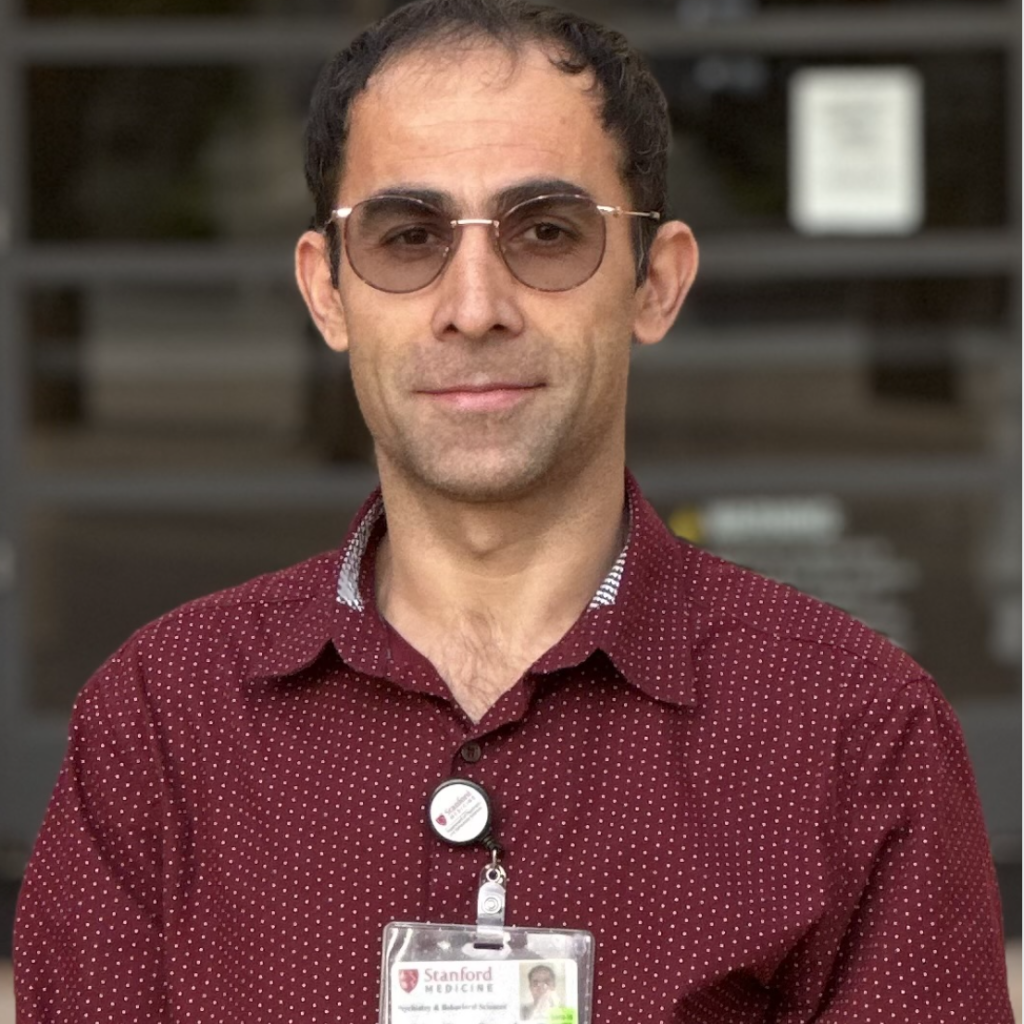
Haroon Musleh
Clinical Research Coordinator Associate
Haroon is a cardiologist by practice and a first generation immigrant from Afghanistan/Khurasan. Haroon is excited to join a residency program in Adult Psychiatry this upcoming year. He is specialized in Internal Medicine and had done a fellowship in Cardiology in Kabul. He works as Clinical Research Assocaite/treater for Brain Stimulation Lab. He loves spending time with his children. Fun fact about Haroon is he is the father of four children. Haroon runs 5 miles a day, most days of the week and is looking for a running parter. He is a formal Colonel of Kabul National Army and a director of an ICU.
Haroon is now pursing an Internal medicine residency!

Jackob Nimrod Keynan
Postdoctoral Research Fellow
Dr. Keynan has been investigating the brain mechanisms of stress and depression for the past 10 years, focusing on development of new neuromodulation treatments. He completed his PhD research in cognitive neuroscience at Sagol Brain Institute, Tel-Aviv Medical Center & Tel-Aviv University. Dr. Keynan has extensive experience in human brain imaging techniques including MRI and EEG. During his PhD he led a prospective imaging study with recent trauma survivors, investigating cognitive and brain mechanisms that underly stress recovery vs stress vulnerability. Dr. Keynan further led a simultaneous EEG/fMRI study that resulted in an enriched EEG based neuromodulation protocol that is mobile and cost effective.
Dr. Keynan joined Stanford University as a post-doctoral fellow in 2019 where he continued his research on finding remedy for stress and depression. At the Brain Stimulation Lab Dr. Keynan is overseeing several research projects focusing on facilitating personalized neuromodulation treatment in Psychiatry. Dr. Keynan is the recipient of Fulbright and Rothschild post-doctoral research awards.

James Bishop
Postdoctoral Research Fellow
Dr. Bishop has more than 11 years of experience in pain and imaging research. He joined the Pain, Analgesia, Imaging, and Neurobiology (P.A.I.N.) Group at Harvard Medical School in 2008 where he conducted pre-clinical and clinical projects centered around defining functional imaging (fMRI) biomarkers for analgesic drug efficacy. Dr. Bishop transitioned to the University of Vermont in 2012, where he completed his PhD in Neuroscience, examining the contributions of the thoracolumbar fascia in the generation of musculoskeletal pain by developing a porcine model of low back pain-like pathophysiology. During this time, Dr. Bishop also maintained clinical research interests, simultaneously conducting a clinical trial investigating structural neuroplasticity following cognitive behavioral therapy intervention for chronic musculoskeletal pain.
While a postdoctoral fellow at Stanford University, Dr. Bishop worked across Psychiatry and Radiology Departments, examining the use of neuromodulation techniques including transcranial magnetic stimulation and focused ultrasound mediated drug delivery to define novel therapeutic approaches to treat chronic pain.
Dr. Bishop is now a Associate Director Medical Science Liaison – Neuroscience for Eli Lilly and Company

Jean-Marie Batail
Postdoctoral Research Fellow
Dr. Batail was an MD/PhD postdoctoral scholar from Rennes in France. Before arriving at Stanford, he worked in both clinical and research fields. He is now back in France working at a staff psychiatrist at CENTRE HOSPITALIER GUILLAUME REGNIER. Specifically, Dr. Batail led a unit specialized in neuropsychiatric treatment resistant disorders (mainly Depression, Parkinson Disease with psychiatric comorbidities and Obsessive-Compulsive Disorder) with two residents. In this unit, Dr. Batail utilized and coordinated neuromodulation techniques such as repetitive Transcranial Magnetic Stimulation, Electroconvulsive therapy, and Deep Brain Stimulation. His research focused on biomarkers of poor outcome of depressive disorder using clinical/neuropsychological/brain imaging assessments. In addition, he conducted research on neurofeedback applied to depression. In addition to his involvement in the national coordination of this topic for psychiatric diseases (Neurofeedback section of French Association of Biological Psychiatry and Neuropsychopharmacology), Dr. Batail was actively involved in the development of a new generation of brain-computer interface therapies based on joint bimodal EEG-fMRI neurofeedback. In this project, he led the clinical research applying this new technology to depression. He is very interested in working on biomarkers of neuropsychiatric disorders and the development of personalized-targeting neuromodulation techniques.
Jean Marie is now a Professor / Psychiatrist at the Université de Rennes in France
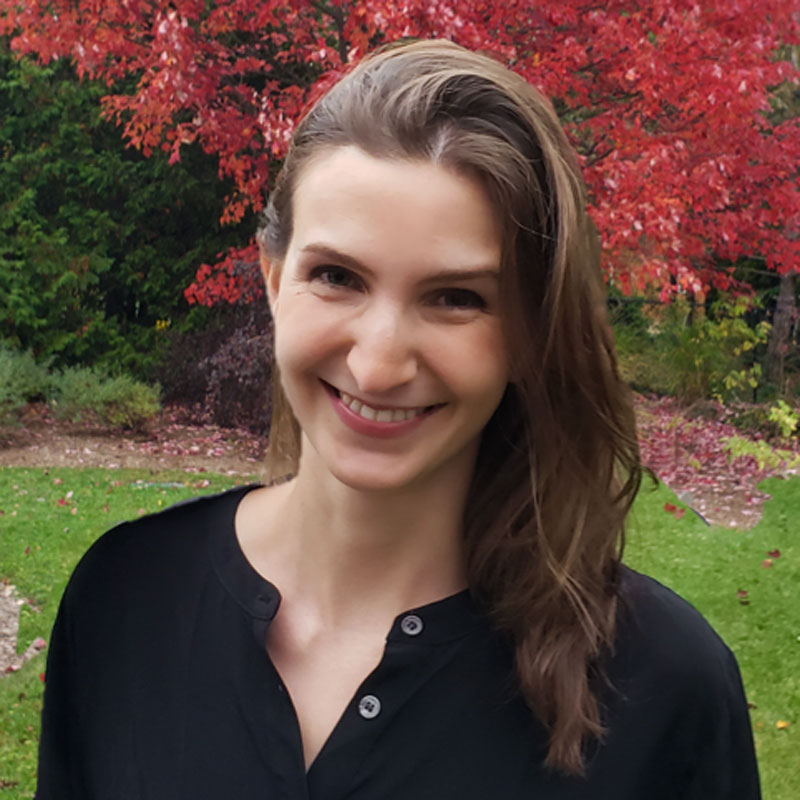
Jen Lissemore
Postdoctoral Research Fellow
Jen completed her BSc and MSc studying psychology and neuroscience at McGill University in Montreal. Her research at McGill spanned rodent behavioral neuroscience and human neuroimaging. For example, she used positron emission tomography (PET) to study how serotonin and dopamine are involved in obsessive-compulsive disorder (OCD) and related learning processes. Jen then completed her PhD in neuroscience at the University of Toronto. Her PhD focused on using non-invasive human neurophysiology techniques (TMS-electromyography and TMS-electroencephalography/EEG) to study the neuropathology and treatment of depression across the lifespan.
Jen has since joined the BSL as a postdoctoral researcher, and is excited to be investigating how new brain stimulation protocols may improve the treatment of OCD, and how biological measures of brain functioning could help to refine and personalize these brain stimulation treatments for OCD. Ultimately, Jen’s mission is to advance how well we understand and treat disorders of ‘stopping’.
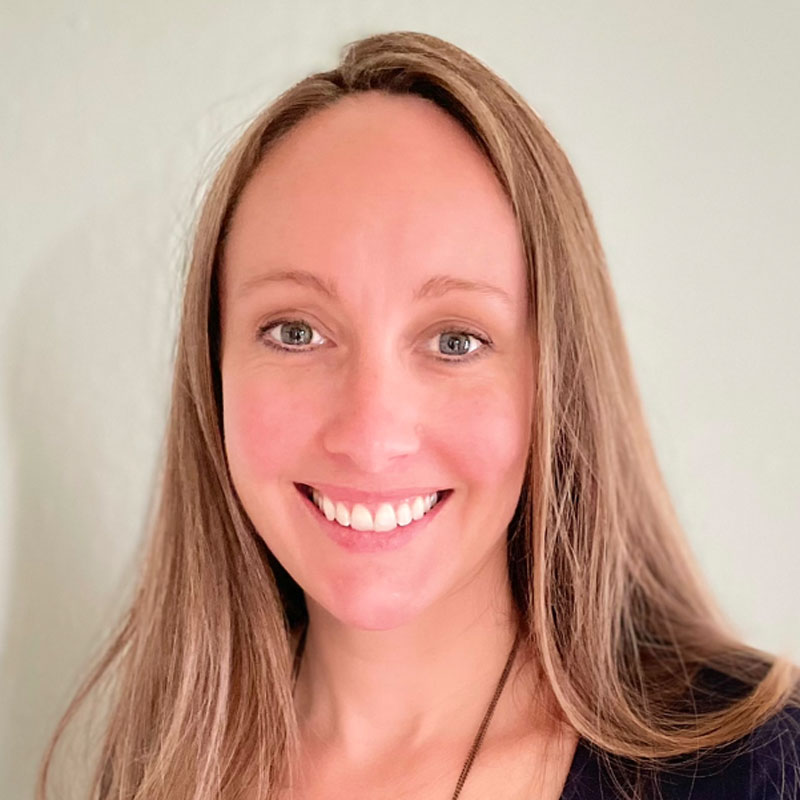
Katy Stimpson
Postdoctoral Research Fellow
Katy had many roles at the Brain Stimulation Lab, prior to leaving to pursue her PsyD in Psychology she was the Lab manager. Katy is now a Sr. Manager of clinical trials at Magnus Medical.

Kirsten Cherian
Postdoctoral Research Fellow
Dr. Cherian has a PhD in Clinical Psychology with an emphasis in neuropsychology from Palo Alto University. Clinical experience includes assessment and cognitive rehabilitation with veterans and pre- and post-surgical assessments of individuals with refractory epilepsy. Her pre-doctoral neuropsychology residency in Toronto focused on memory & neurodegenerative disorders and neuro-oncology. Her doctoral research with the Stanford Brain Stimulation Lab examined the cognitive outcomes of a novel neurostimulation protocol in treatment-resistant depression.
Currently, as a postdoctoral fellow with Stanford University, Dr. Cherian is investigating the relationships between cognition and neuromodulation in populations with various psychiatric and neurological disorders including mood disorders, trauma, and acquired brain injuries, as well as seeing patients in the neuropsychiatry clinic. She is also interested in working with populations with neurodegenerative and movement disorders. She has a background in kinesiology, with a focus on long-term sequelae of brain and spinal injuries. She is interested in the interrelationships between mind and body.
Kirsten is now a Assistant Clinical Professor at Stanford University Department of Psychiatry and part of the Neuropsychiatry Clinic.

Lauren Anker
Academic Staff – Research
Dr. Lauren Anker is a neuropsychologist and member of the assessment team in the Brain Stimulation Lab. Dr. Anker is licensed by the Board of Psychology in California with long standing involvement in clinical research at the Stanford University School of Medicine. Dr. Anker has extensive expertise in assessing psychiatric symptom improvement in individuals with treatment resistant depression and other psychiatric disorders, and with this expertise supports multiple NIH and non-NIMH grants aimed at optimizing healthy aging through assessing the safety and efficacy of novel treatments.
Dr. Anker’s doctorate degree and training was in the field of neuropsychology, diagnostic assessment, and cognitive behavioral therapy. Dr. Anker completed an Advanced Psychology Fellowship at the Palo Alto VA Health Care System where she pursued rigorous training in three domains, clinical research, diagnostic assessment, and developmental neuropsychology. Recently her research emphasis has focused on how sleep contributes to cognitive and psychiatric wellbeing over the lifespan in various neurodevelopmental, genetic, and psychiatric disorders. Dr. Anker is committed to researching and understanding the impact of aging in individuals with comorbid medical and psychiatric disorders across the lifespan in vulnerable populations.
Lauren is now working as a psychologist with Kaiser Permanente

Lauren Marie Crowe
Assistant Clinical Research Coordinator
Lauren is an Assistant Clinical Research Coordinator within the BSL working as part of the Imaging and Treatment teams doing MRI, EEG, and TMS treatments. She graduated from the University of Notre Dame with a B.S. in Neuroscience and Behavior. At Notre Dame, she gained exposure to TMS and EEG in a cognitive neuroscience lab focused on memory and aging. She is excited to take part in clinical research and learn more about a career in medicine. In her free time, Lauren likes spending time at the ocean, staying active, reading, and spending time with friends.

Malvika Sridhar
Research Data Analyst 1
Malvika graduated with a Master of Science in Neuroengineering from Columbia University. During her grad school, she worked with the human memory and navigation lab run by Dr. Jacobs at Columbia.
Prior to this she completed her Bachelor of honours in electrical engineering and worked in the data analytics field for a year. Here, she decided to pursue engineering applications in medicine for the purpose of psychiatric research.
Her research interest lies in signal/image processing of brain MRI/EEG data in the field of affective neuroscience. She hopes to analyze and gain a better understanding of emotional circuitry networks in the brain to improve current treatment methods and thus increase remission success rates for psychiatric mood disorders.
Malvika was accepted into a dual PhD program for Clinical Neuropsychology and Cognitive & Affective Neuroscience at Georgia State University. She is working in the TReNDS Center for Translational Research in Neuroimaging & Data Science under Dr. Vince Calhoun.
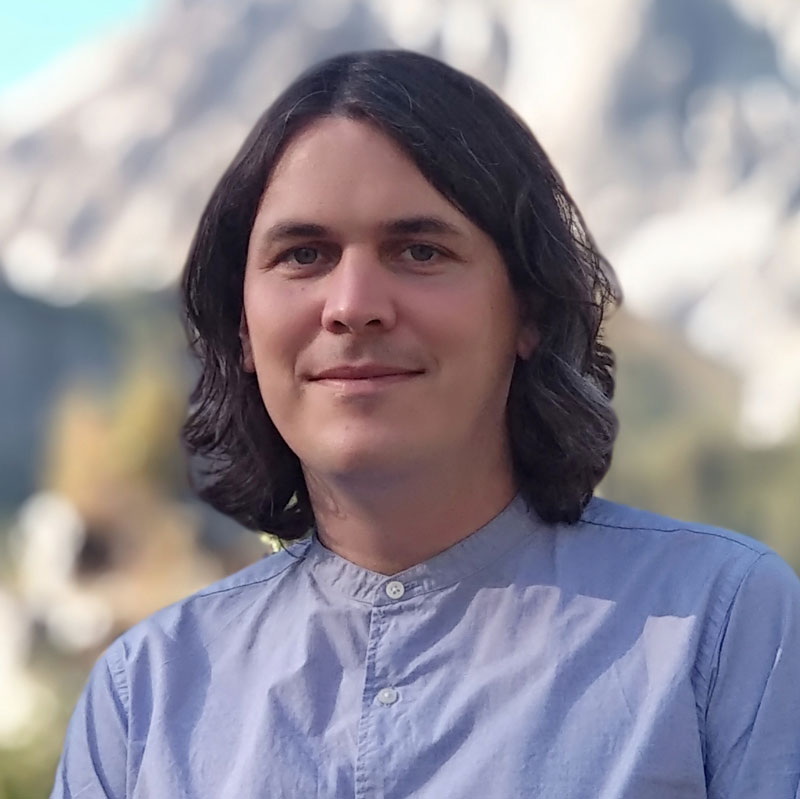
Martin Tik
Postdoctoral Research Fellow
Dr. Tik is a postdoctoral scholar from Vienna, Austria. He has a background in Biological Psychology and Medical Physics and experience in highly interdisciplinary experimental research. During his academic career, he used brain imaging and stimulation methods to gain insights into pathways related to insightful problem solving as well as emotion processing. Through collaboration between the Medical University of Vienna and international partners, he could further identify connectivity changes linked to affective disorders and treatment.
Specifically, Dr. Tik has developed new techniques to better combine Transcranial Magnetic Stimulation with functional Magnetic Resonance Imaging to measure induced activation changes as they happen.
Dr. Tik joined the Stanford Brain Stimulation Laboratory team to translate these research tools into clinical applications aiming to optimize important stimulation parameters for tailoring transcranial magnetic stimulation to individual patient’s needs.

Mia Gholmieh
Postdoctoral Research Fellow
Mia is an MD from Lebanon that hopes to pursue her residency in psychiatry in the US. She has started her post doc at the BSL in 2021. At first, she was part of the inpatient study team and worked on recruiting participants that were in the psychiatry unit at the Stanford Hospital. Since then, she has been part of the assessment team and is involved in several studies. Being part of the lab gave her a great opportunity to develop her clinical skills and deepen her passion for psychiatry. During her free time, Mia enjoys traveling and exploring new cultures, exercising, painting, photography, road trips to the beach and discovering new cities.
Dr. Gholmieh has finished her Post-Doc rotation in the BSL and is now pursuing her psychiatry residency at the University of Houston Medical School.

Mike Feyder
Academic Staff – Research
Mike completed his PhD at the Karolinska Institutet in Stockholm, Sweden as part of the NIH-KI Collaborative Doctoral Program in Neuroscience. He continued his research as a post-doc at the Johns Hopkins Institute of Genetic Medicine. Mike has worked in a variety of academic and industry positions managing large, data-intensive projects. At the BSL, he managed the lab’s data infrastructure.
Mike is now working as the Sr. Manager of Research and Development at Magnus Medical

Nabil Bahjat Helmi Alnajjar
Clinical Research Coordinator Associate
Nabil worked with our treatment team delivering TMS treatments. He now works as a Field Engineer for Magnus Medical.

Or Keynan
Clinical Research Coordinator 2
Or joined the Brain Stimulation Lab after 10 years of experience in clinical psychology. She graduated first of her class in 2016 from the Tel-Aviv Academic College, Tel-Aviv Israel.
Or is a compassionate and dedicated clinical psychologist with a true passion to promote human mental health and well-being. Or assessed and treated individuals with a variety of mental disorders within outpatient clinics and inpatient units, created treatment and rehabilitation plans for patients, and conducted crisis interventions.
Prior to joining the Brain Stimulation Lab, Or served as a psychotherapist in Israel’s COVID-19 crises intervention services.Or further has industry experience working on innovations to promote mental health.
At the Brain Stimulation Lab Or was conducting clinical evaluations for Major Depression, Obsessive Compulsive Disorder, anxiety, and other psychopathologies.

Rami Shaibani
Assistant Clinical Research Coordinator
Rami was a member of the treatment team where his daily activities involve the admistration of TMS to participants. He is originally from Houston, Texas and has spent time in Austin to obtain his BA in Health and Society from The University of Texas at Austin as well as Dallas where he completed a MS in Medical Science at the University of North Texas Health Science Center. Rami hopes to combine his lifelong passion for neuroscience with his desire to impact vulnerable communities through a career in medicine. In his free time, Rami enjoys playing basketball, trying new foods, taking road trips, and hiking.
Rami is now attending medical school

Romina Nejad
Clinical Research Coordinator II
Romina completed her Bachelor of Science degree in neuroscience and molecular biology at the University of Toronto. Her research interests began as an undergraduate student in 2012, when she started as a research student in a neurosurgical lab at the Keenan Research Center in Toronto.
Romina’s research involved studying rare brain tumors such as chordoid meningiomas as well as evaluating the psychological and behavioral effects of traumatic brain injuries on homeless youth. She then completed her Master of Science degree with a focus in neuro-oncology under the guidance of Dr. Gelareh Zadeh at the University of Toronto. Her graduate research focused on multi-platform profiling of neurological tumors and aimed to study the relevance of genetic, molecular and metabolic markers in clinical practice.
With a cross-disciplinary interest in neuroscience, neuro-oncology, and psychiatry, Romina joined the Brain Stimulation Lab in 2018 in hopes of utilizing neuromodulation to improve brain health.
Romina is now a clinical trials manager at Neuralink

Ruben Krueger
Research Data Analyst 1
Ruben is a Data Analyst at the Brain Stimulation Lab. Originally from a small town in Oregon, he graduated from Stanford with a B.S. in computer science. After college, he worked as a software engineer at several healthcare startups. Now, as a Data Analyst, he assists the lab in the processing and analysis of neuroimaging and clinical data. His career goal is to become a physician and hopes to leverage his coding abilities and startup experiences towards this. Outside of research, Ruben volunteers as an EMT at concerts and is an avid runner, running races like the S.F. marathon.

Saron Atnafu Hunegnaw
Assistant Clinical Research Coordinator
Saron was a member of our Imaging Team at The Stanford Center for Cognitive and Neurobiological Imaging. She conducted fMRI scans, EEGs, and TMS sessions. Saron joined the lab in August of 2021 after graduating from Vanderbilt University with a BA in Neuroscience. She is now at the University of California, San Francisco (UCSF) for graduate school. She plans to earn a Master’s Degree in Clinical Research and a PhD in Translational Science. Her long-term goals include running global clinical trials and becoming a professor.
Saron also worked as a research assistant to analyze crime-involved women’s navigation of the COVID-19 pandemic, their trust in the government, and access to resources. She has presented her work at the American Society of Criminology Conference and the Academy of Criminal Justice Sciences.
After working in the BSL Saron is now in a Graduate Program at UCSF

Sean O’Sullivan
Postdoctoral Research Fellow
Dr. Sean J. O’Sullivan is an MD/PhD postdoctoral scholar from Philadelphia. His PhD in neuroscience from Thomas Jefferson University focused on the molecular mechanisms of alcohol and opioid withdrawal.
Specifically, he took a systems neuroscience approach to understand the role of the gut microbiome in influencing the negative physical and emotional states that characterize alcohol and opioid withdrawal syndromes.
This work led to the generation of a novel hypothesis—interoceptive neuroinflammatory signaling involving gut dysbiosis and peripheral network decompensation secondary to abstinence in the context of allostasis drives neuroinflammation in the nucleus tractus solitarius (NTS) and amygdala during alcohol and opioid withdrawal which increases the severity of the symptoms.
He also investigated neuronal subphenotypes in the suprachiasmatic nucleus which is the principle circadian brain region. He further investigated how circadian rhythms affect gene expression in the NTS and amygdala.
At the Stanford Brain Stimulation Lab, Dr. O’Sullivan was leading a study researching the effects of TMS on a peripheral biomarker of depression.
Dr. O’sullivan is now in a Psychiatry Residency at UT Austin.

Seigo Ninomiya
Assistant Clinical Research Coordinator
Seigo is a member of our neuro-imaging team performing MRI,EEG and TMS. He is very passionate about revealing mechanisms of neuropsychiatric diseases and providing leading-edge innovative care for each individual. Originally from Japan, he attended University of California Davis, and received bachelor’s degree in Cognitive Science with a certificate from the UCD neuroimaging center in Sacramento, CA. After graduating from UC Davis, he joined an internship program at The Center for Intelligent Imaging at UCSF School of Medicine, and worked on data analysis for neuropsych scales and MEG data processing. In his free time, he enjoys playing drums in his band, watching stand-up comedy, and spending time with his significant other.

TJ Ford
Assistant Clinical Research Coordinator
TJ graduated with Highest Honors in Cognitive Science from the University of California, Berkeley. While an undergraduate, she studied gene repair mechanisms in the School of Public Health, held a Fung Fellowship within the College of Engineering, attended Yale University’s Sherwin B. Nuland Institute at the Center for Interdisciplinary Bioethics, and completed the work for her Honors Thesis on temporal attention at UCSF’s Neuroscape under advisors Dr. Ted Zanto and Dr. Mark D’esposito. Upon graduation, TJ joined the Abortion Freedom Partnership as the principal product manager for the non-profit, creating and implementing mutual aid tools and software to increase equitable access to critical reproductive healthcare. TJ then joined the Brain Stimulation Lab at Stanford University’s School of Medicine in 2021 as an Assistant Clinical Research Coordinator working hands-on to treat participants, explore biomarkers of neuromodulation treatment efficacy, and research cognitive, clinical, and neural outcomes of rapid-acting interventions for a range of psychiatric disorders. In her spare time, TJ loves leisurely reading in the sun (responsibly with adequate SPF), being in bodies of water, and spending time with her incredible friends.
TJ now works at Magnus Medical as a Field Clinical Engineer.

Tram Dinh
MRI Tech/ LVN
Currently at Lucille Packard Children’s Hospital (LPCH).

Wiebke Struckmann
Postdoctoral Research Fellow
Dr. Struckmann earned her B.Sc. and M.Sc. degrees in Psychology from the University of Jena in Germany, followed by a PhD in Clinical Neuroscience from Uppsala University in Sweden. Throughout her doctoral studies, Dr. Struckmann used functional magnetic resonance imaging (fMRI) and functional near-infrared spectroscopy (fNIRS) in a neuroimaging-guided clinical trial assessing the effectiveness of transcranial magnetic stimulation (TMS) targeting the dorsomedial prefrontal cortex to alleviate anhedonia in individuals with depression and schizophrenia.
Dr. Struckmann joined the Stanford Brain Stimulation Lab as a postdoctoral research fellow in September 2022. Presently, she leads a clinical trial examining personalized therapeutic neuromodulation for anhedonic depression. Driven by her passion for innovative research methodologies, Dr. Struckmann incorporates personalized task designs and physiological assessments to untangle the intricate relationships between cognition, emotion, and psychiatric symptoms, extending her investigations to include obsessive-compulsive disorder (OCD) and addiction. Dr. Struckmann’s primary objective is to advance both our comprehension and treatment of mental health conditions through probing target networks in the brain.

Xiaoqian Xiao
Postdoctoral Research Fellow, Data Analyst
Xiaoqian Xiao is a PhD in cognitive neuroscience and majored in psychology for BS. She was trained using fMRI data to detect the neural representations related to effective learning (e.g. space learning, variable encoding), during which she generated experiment design to optimize the single trial estimate and also obtained item level neural representations separated during encoding phase and retrieval phase. Her research interest is exploring data, both behavioral and neural, and detecting best features to build tools helping objective diagnoses for clinical practice.

Zui Narita
Postdoctoral Research Fellow
Dr. Zui Narita worked at stanford as a postdoctoral fellow. Dr. Narita is now the Chief of the Mental Function Research Section at the NIMH Japan. Dr. Narita has a broad background in clinical neuroscience and is board-certified in psychiatry. He has specific expertise in psychiatric epidemiology, clinical trials, and meta-analysis of randomized controlled trials. Dr. Narita was trained in the prestigious schools, Johns Hopkins and Stanford, resulting in his burst of publications. He has published over 40 peer-reviewed articles in the past 5 years, appearing in leading journals such as Schizophrenia Bulletin, Psychological Medicine, and Epidemiology and Psychiatric Sciences. He has contributed book chapters to notable textbooks, including Managing Treatment-Resistant Depression Road to Novel Therapeutics (Academic Press) and Tasman’s Psychiatry Fifth Edition (Springer). Also, Dr. Narita translated Systematic Psychiatric Evaluation: A Step-by-Step Guide to Applying The Perspectives of Psychiatry into Japanese. In 2019, Dr. Narita was invited to the Research Colloquium for Junior Investigators as one of the 50 psychiatrists selected by the American Psychiatric Association. In 2022, Dr. Narita was selected as a member of Early Career Editorial Board of Asian Journal of Psychiatry.